AI Curriculum from Class 3 and Future NEET Scores
marketing team / Quizlyapp / Swathi Suresh
Introducing AI Curriculum in Early Education
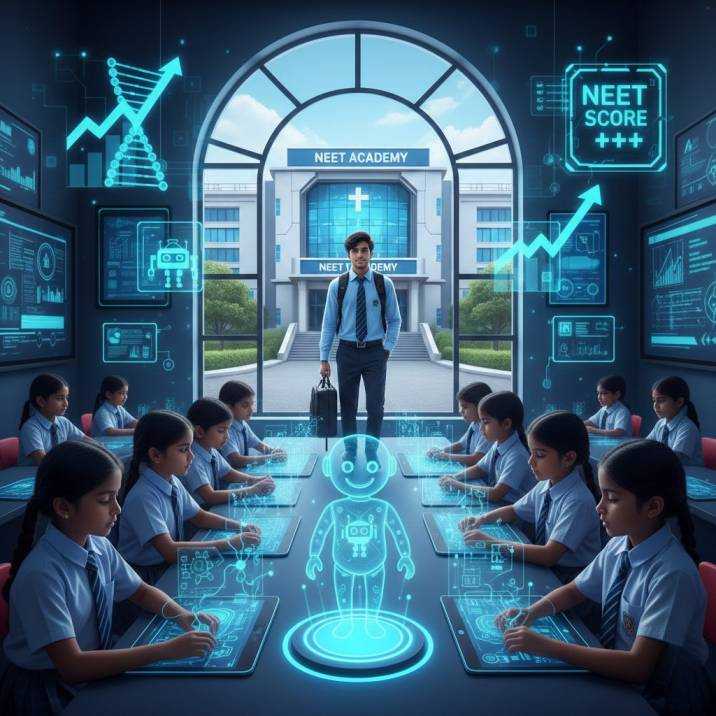
India’s decision to introduce artificial intelligence as a formal subject from early grades is a landmark step in school education. While it may not look directly linked to NEET, the new AI curriculum builds logical reasoning, data interpretation, and pattern recognition skills that can indirectly strengthen future NEET performance.
Enhancing Problem-Solving Skills Through Interactive Learning
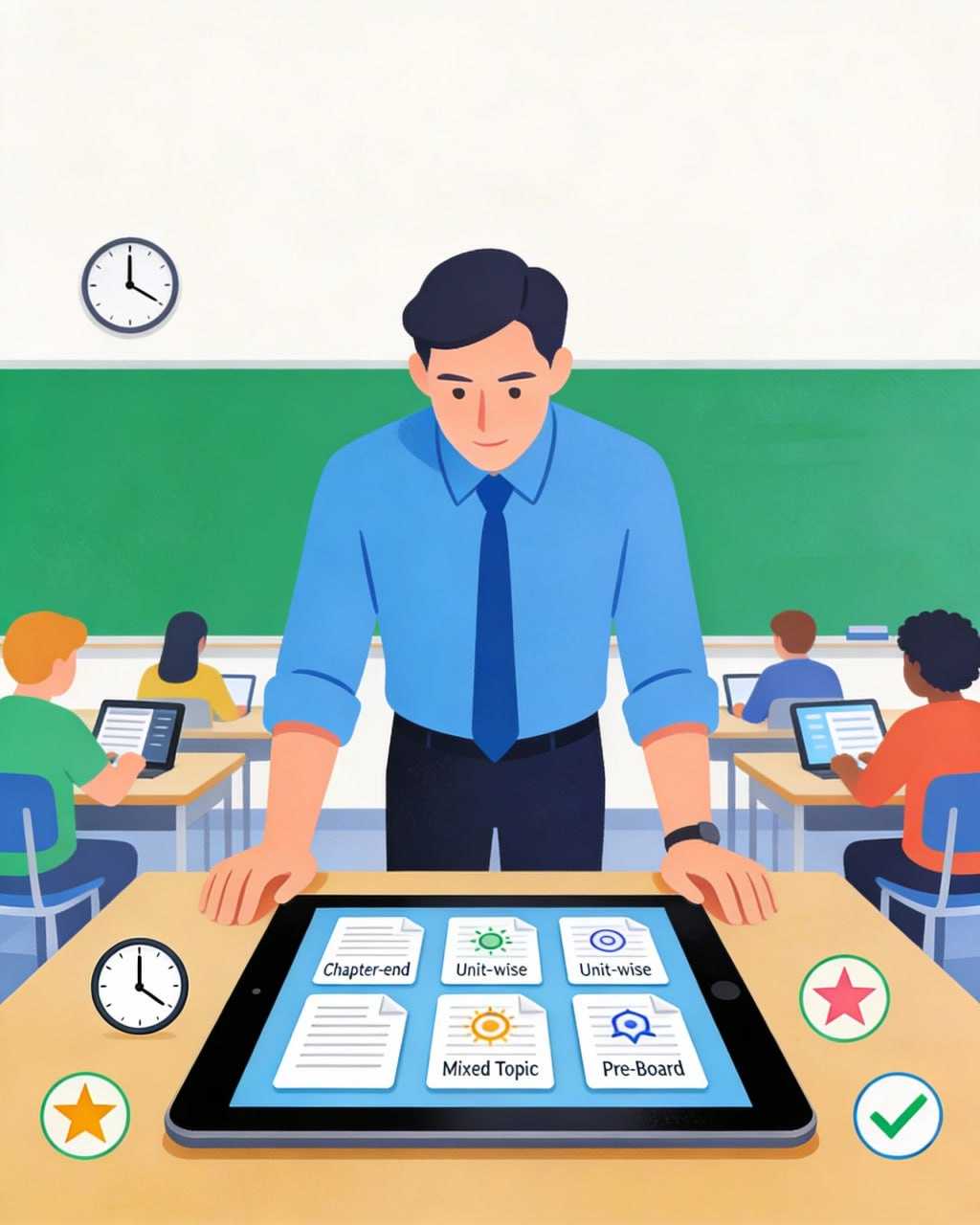
Through game-based modules and interactive simulations, younger students learn to break complex problems into smaller steps and test different solutions. This same habit is essential for handling multiconcept NEET questions, especially in physics and chemistry, where one question can involve several formulas and concepts at once.
Normalising Technology Use for Smarter Exam Preparation
Exposure to AI early also normalises the use of smart tools in learning, which benefits aspirants who later use adaptive quiz platforms or AI-enabled doubt-solving apps. Instead of viewing technology as a distraction, they start to see it as a partner that gives instant feedback, tracks mistakes, and recommends targeted practice.
Building Ethical Awareness in Future Medical Professionals
The curriculum’s focus on ethics and responsible use of data has long-term value for students who want to pursue medicine in an age of digital health records and AI-assisted diagnostics. Tomorrow’s doctors must understand how algorithms support or bias medical decisions, and early AI education can help them ask the right questions.
Encouraging NEET-Relevant Learning via AI Projects in Schools
Parents and schools can multiply these benefits by integrating NEET-oriented logic and science content into AI-themed projects, such as data visualisations of health statistics or simulations of biological processes. Doing this keeps learning playful while subtly planting the seeds of exam-relevant thinking from middle school years.
Conclusion
India’s new AI curriculum plants core skills that align surprisingly well with the analytical and technologically enabled future of NEET preparation and medical practice. Students who embrace both conceptual science learning and AI-driven tools will be better equipped for competitive exams and 21st-century healthcare careers.
FAQs
1. Does learning AI guarantee better NEET scores?
AI education by itself does not guarantee scores, but it strengthens problem-solving, logical reasoning, and comfort with digital tools, all of which support better exam preparation.
2 . Will AI be directly tested in NEET?
Current NEET focuses on physics, chemistry, and biology based on school curricula; AI is more likely to influence how students learn and how healthcare is delivered, rather than appearing as a separate subject in NEET soon.
3. How can a NEET aspirant in class 9–10 use AI learning?
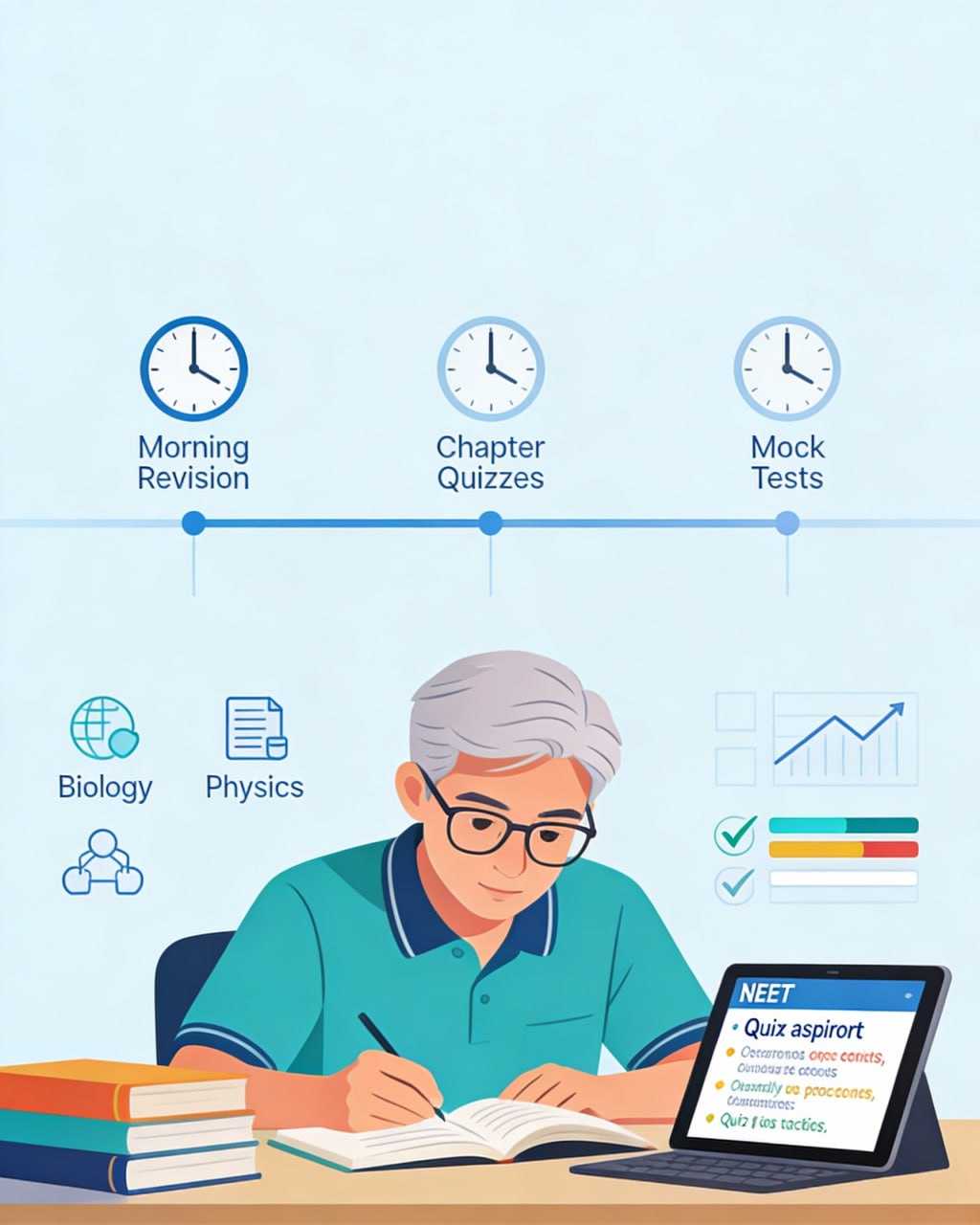
They can use AI-based quiz platforms, intelligent flashcards, and adaptive test series to analyse performance and get more value from each study session.
4. Is AI education available in all Indian schools?
Implementation will roll out over time, with central guidelines and varying adoption speeds across boards and states, so availability may differ by region.
5. Can students without formal AI courses still benefit?
Yes, they can access free online modules, coding clubs, and AI-themed educational apps to pick up similar skills even if their school is not yet offering a structured course.
FOLLOW US ON :
INSTAGRAM:https://www.instagram.com/quizly.app?igsh=cWdrcXRmMXRidWJ2
YOUTUBE: https://www.youtube.com/@Quizlytalks
LINKEDIN:https://www.linkedin.com/company/quizly-learning/