Big Update from CBSE: Board Exams Will Now Be Conducted 2 Times a Year
Date & Time - 20:00, 26-06-2025
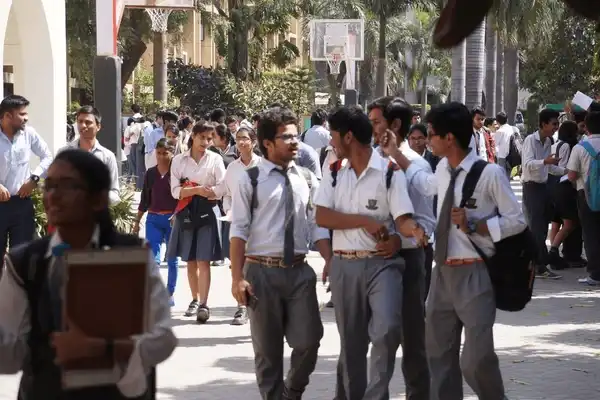

In a historic move to modernize and humanize the academic evaluation process, the Central Board of Secondary Education (CBSE) has announced the implementation of a biannual board exam system for Class 10 students, effective from the 2026 academic session. This major policy shift is part of the broader vision outlined in the National Education Policy (NEP) 2020, which seeks to transform India’s education landscape by making it more student-friendly, flexible, and future-ready.
Let’s dive into the mechanics of this new system, why it matters, and how students, parents, and educators can prepare for it.
🗓️ CBSE's New Exam Timeline: Twice a Year, Twice the Opportunity
Under the revised format, students will sit for Class 10 board exams twice a year. Here’s how the structure is planned:
Component | Details |
First Exam (Mid-February) | Mandatory for all Class 10 students. Designed to assess students' knowledge after the standard academic cycle. |
Second Exam (May) | Optional. Students can retake up to three subjects to improve their scores. Only the best score will be retained. |
Results | First exam results to be released in April, second in June. |
Internal Assessments | Remain once per academic year; scores will be valid across both attempts. |
This dual-exam model echoes the approach used in international educational systems and is a significant step forward in ensuring Indian students have more flexibility and autonomy in their academic journeys.
📘 Why This Change? The Philosophy Behind the Reform

The traditional one-time board exam format has often been criticized for putting immense psychological pressure on students, where a single performance can define their academic future. This new model challenges that norm with three core goals:
1. Creating a Low-Stakes Environment
By offering a second attempt without penalty, students are less likely to feel crushed by a bad day or unexpected difficulty during the first exam. Instead, it provides room for improvement and growth.
2. Encouraging Mastery Over Memorization
The flexibility to reappear empowers students to focus on learning concepts thoroughly rather than just scoring marks. This shift may gradually reduce dependency on rote learning and coaching institutes.
3. Democratizing Success
It also helps level the playing field for students who may be slow starters or face personal challenges during exam season—be it illness, family issues, or performance anxiety.
🔍 Potential Challenges & Considerations

Despite its benefits, this transition won’t be without challenges:
Logistics for schools and boards: Managing two large-scale exams within a year will demand better scheduling, infrastructure, and teacher availability.
Curriculum pacing: Schools may need to rethink their teaching timelines to ensure students are ready by February.
Parental and student awareness: Misunderstanding the optional nature of the second exam could cause confusion and stress.
The success of this reform hinges on clear communication, teacher training, and systemic support to handle the increased administrative load.
✅ Practical Tips for Students & Parents

To make the most of this system, here are some expert-backed strategies:
For Students:
Plan Early: Don’t assume the second attempt is a backup—prepare thoroughly for the first attempt.
Stay Informed: Keep track of CBSE notifications and curriculum updates.
Focus on Weak Areas: After the February exams, analyze your performance to target improvements.
Balance is Key: Don’t over-stress yourself by planning for two exams at once—focus on the present.
For Parents:

Offer Support, Not Pressure: Help your child manage expectations and reduce anxiety.
Encourage Smart Studying: Quality over quantity in preparation yields better results.
Be a Partner in Planning: Help your child make informed choices about whether a reattempt is needed.
🌍 What This Means for India’s Education System

This policy reflects a broader shift in Indian education—moving from rigid, marks-driven systems to more adaptive, student-centered frameworks. By integrating flexibility and growth into the assessment process, CBSE is:
Aligning with global standards of continuous evaluation and choice.
Fostering student confidence by emphasizing improvement over perfection.
Building resilience, a trait critical for future academic and career success.
📣 Final Thoughts: A Progressive Step with Long-Term Impact

The introduction of twice-a-year board exams by CBSE marks a progressive, compassionate shift in India’s academic structure. It recognizes that learning is a journey—not a one-time performance. If implemented effectively, this model could reduce academic anxiety, promote deeper learning, and set the stage for more inclusive, adaptable, and forward-thinking education in India.