CBSE 2025: Balancing MCQs and Descriptive Questions in Your Study Plan
marketing team / quizlyapp / Venkateswar rao
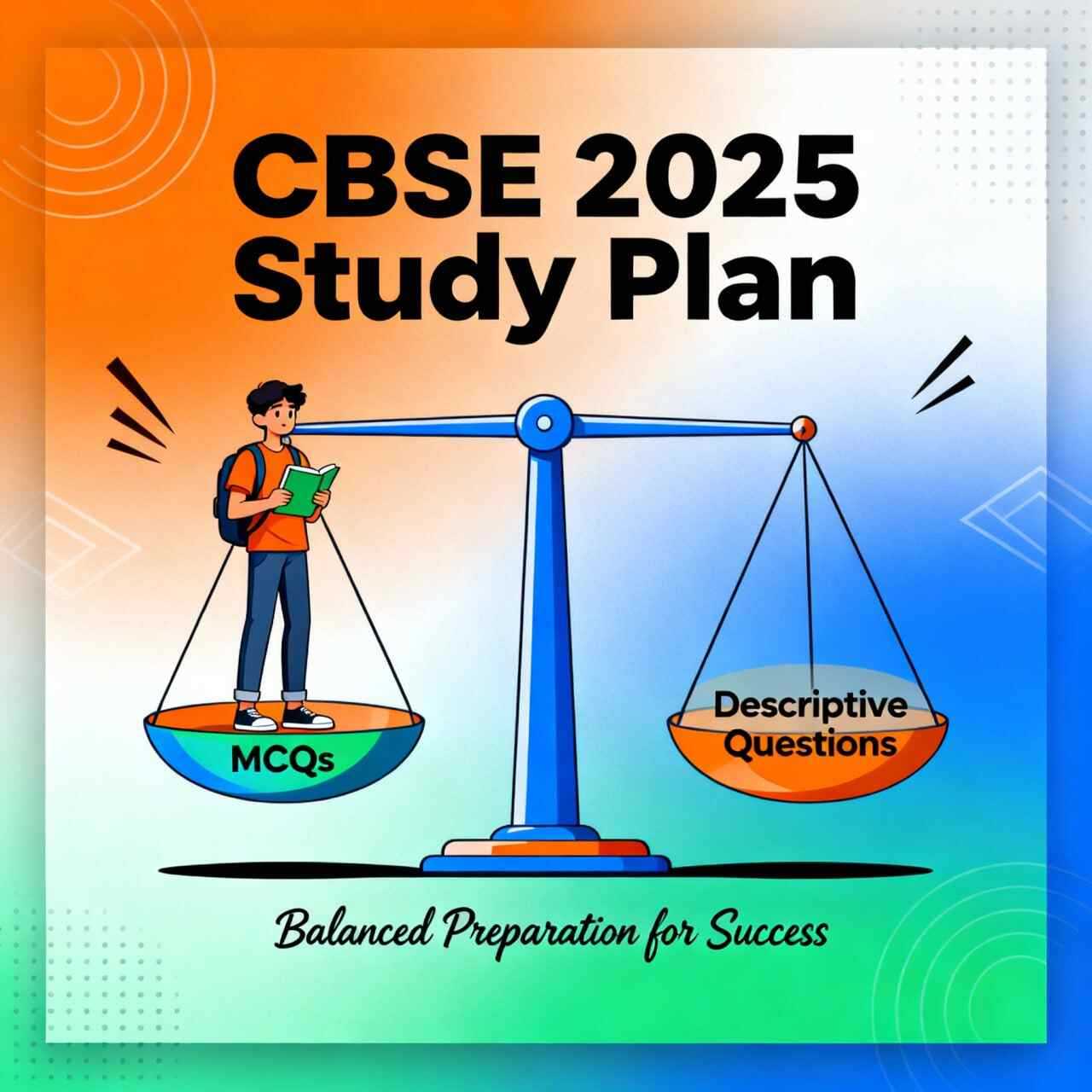
CBSE 2025 Exam Strategy: Balancing MCQs and Descriptive Questions for SuccessThe CBSE board exams in 2025 feature a significant change with a mix of Multiple Choice Questions (MCQs) and descriptive questions, requiring students to adopt a balanced preparation strategy. MCQs demand quick conceptual understanding, while descriptive questions test great analytical skills and writing clarity. Success lies in mastering both.
Understanding the CBSE Exam Format
Approximately 60% of exam marks in key subjects come from MCQs, emphasising speed and conceptual clarity. Descriptive questions, constituting about 40%, assess reasoning, explanation skills, and structured responses. Both formats work together to evaluate comprehensive knowledge.
Why Balance is Crucial
Focusing only on MCQs or only on descriptive questions can hinder performance. A balanced study plan ensures that students are adept at quick decision-making and detailed writing, reducing exam-related anxiety and improving overall scores.
Strategies for MCQ Preparation
MCQs require memorisation of key facts, formulas, and definitions. Regular practice with AI-powered quizzes and flashcards enhances retention and accuracy. Timed MCQ tests help develop speed and elimination techniques for better results.
Approach to Descriptive Questions
Descriptive questions call for well-structured answers, complete with explanations, examples, and, where applicable, labelled diagrams. Practising past questions and writing answers under timed conditions improves coherence and confidence.
Subject-Wise Focus Areas
In Mathematics, prioritise formula retention for MCQs and detailed problem-solving for descriptive questions. Science students should grasp key concepts quickly for MCQs and thoroughly understand experimental and theoretical aspects for descriptive answers. Social Science candidates benefit from memorising important dates and concepts for MCQs, paired with argumentative writing for descriptive parts. English preparation requires grammar and vocabulary skills for MCQs, along with essay and letter-writing practice.
Effective Time Management
Allocate about 60% of your study time to MCQs and 40% to descriptive questions based on their exam weightage. Use study schedules and timers during mock exams to build efficiency and balance.
Leveraging AI and Technology
AI-based platforms offer personalised learning experiences with targeted quiz questions and performance analytics. This approach enables focused improvements, helping students strengthen weak areas in both MCQs and descriptive formats.
Mock Tests and Past Papers
Practice with previous year papers and timed mock tests is essential. It builds familiarity with question styles and improves exam temperament, helping students confidently manage the mixed-question format.
Internal Assessments Matter
Internal evaluations, which often combine MCQs and descriptive projects, reinforce the importance of steady, continuous study throughout the year to support board exam preparation.
Common Pitfalls to Avoid
Avoid neglecting one question type, relying on rote learning without understanding, or rushing descriptive answers. Proper balance and clarity in preparation and writing are key to scoring well.
Conclusion
To succeed in CBSE 2025, students must implement a balanced study plan targeting both MCQs and descriptive questions. Using AI-powered tools, managing time effectively, and adopting subject-specific tactics enhance competency and exam confidence. This holistic approach aligns with CBSE’s vision and ensures high performance while minimising exam stress.
Q1: How should I divide study time between MCQs and descriptive questions?Aim for a 60% focus on MCQs and 40% on descriptive questions to reflect exam patterns.
Q2: Can AI tools help in exam preparation?Yes, AI tools provide adaptive tests and immediate feedback that optimise study time and address weaknesses.
Q3: Which subjects have more descriptive questions?Science, Mathematics, and English generally have a higher number of descriptive questions requiring detailed answers.
Q4: How to improve descriptive writing skills?Practice structured writing with clear introductions, supporting points, and conclusions, using examples and diagrams as needed.
FOLLOW US ON:
INSTAGRAM: https://www.instagram.com/quizly.app?igsh=cWdrcXRmMXRidWJ2
YOUTUBE: https://www.youtube.com/@Quizlytalks
LINKEDIN: https://www.linkedin.com/company/quizly-learning/