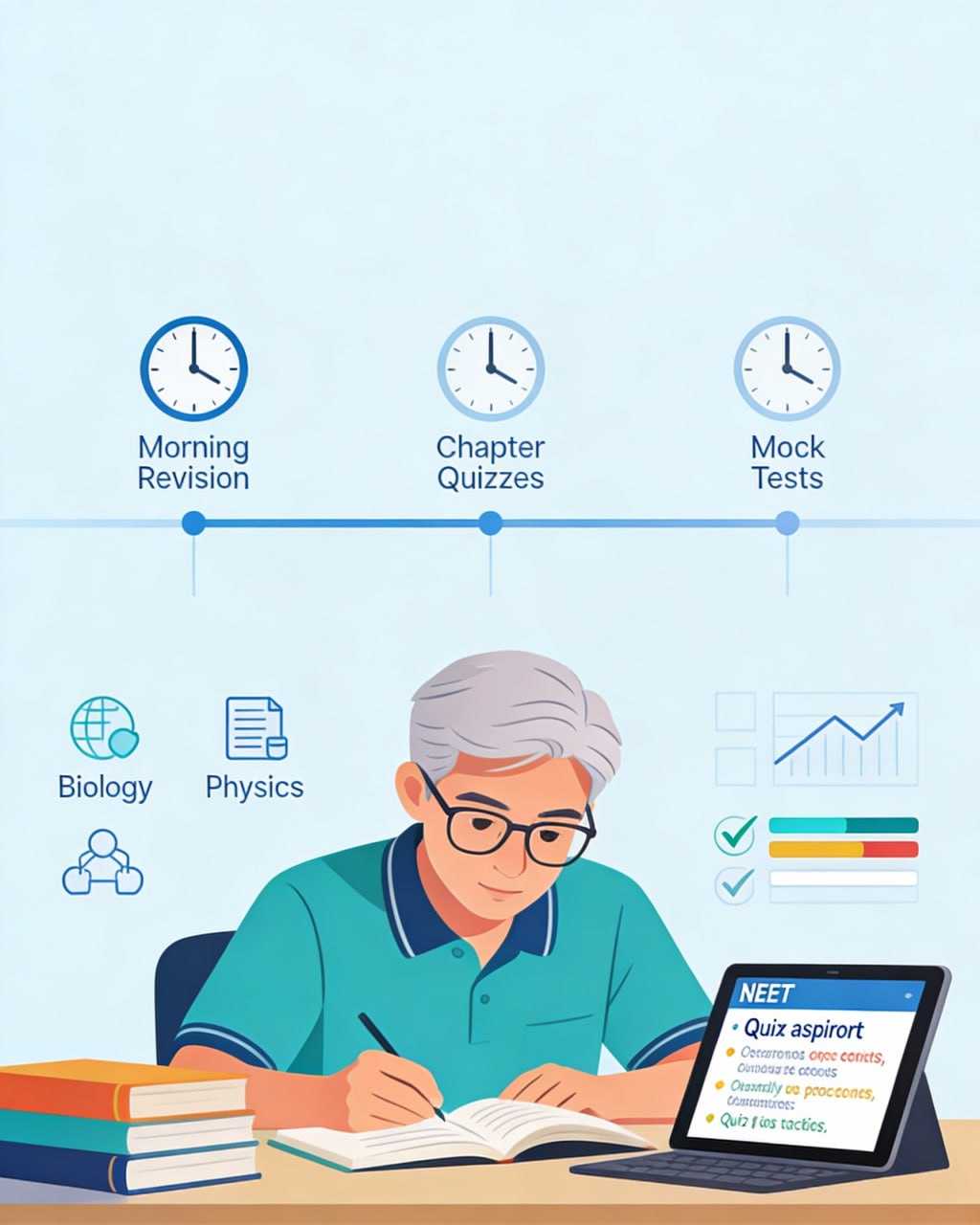
Effective Note-Taking Techniques for Long-Term Retention
marketing team / Quizlyapp / Venkateswar rao

Developing strong note-taking skills is essential for anyone aiming to learn efficiently and retain knowledge long-term.
The best study techniques for retention rely on more than just copying what you hear; they focus on organisation, visualisation, and active engagement.
Modern students and professionals use a range of effective note-taking methods, often powered by digital tools and real-time AI data, to make their study sessions truly stick.
The Science Behind Study Techniques for Retention
Research shows that note-taking is more than recording information; it’s a process that helps encode and structure knowledge in your long-term memory. Effective note-taking techniques for retention include both visual and written strategies, as well as periodic review, all of which help move facts from short-term to long-term memory stores.
The Mapping Method
The Mapping Method transforms your page into a conceptual web, helping you relate new knowledge to what you already know. Start with the central idea and branch out visually, connecting concepts with lines and arrows. This highly visual format facilitates comprehension, making it particularly well-suited for complex subjects.
Cornell Note-Taking System
One of the classic study techniques for retention, the Cornell Method divides the page into cues, notes, and a summary. Take lecture notes in the largest section, jot keywords and questions in a margin, and after learning, summarise key points at the bottom. This method enhances understanding and recall.
Outline Method
The Outline Method utilises bullet points and indentation to clearly present main ideas, subpoints, and supporting details. This hierarchy makes reviewing for exams fast and systematic.
The Sentence Method
Capture information line by line, writing each thought in its own sentence. Quick and effective, this method is great for fast-paced lectures.
The Zettelkasten Method
The Zettelkasten, or "slip box," approach encourages you to write out individual ideas on cards or digital notes and create links between related concepts. Over time, it grows into a personalised knowledge web.
Digital Note-Taking & Apps
Using digital note-taking apps, you can combine handwriting, typing, images, and even audio. Features like tagging, searching, and cloud sync make it easier to review from anywhere and boost study techniques for retention.
Real-Time AI Tools for Smarter Notes
Modern AI-powered apps can summarise lectures, transcribe voices in real time, or suggest links between concepts using AI data. This enables smarter, more interactive note-taking that adapts to your needs over time.
Visual Cues
Adding visual cues such as colours, arrows, and small drawings can improve memory retention. These techniques engage both sides of your brain for deeper learning.
Mind Mapping for Creative Thinking
Mind maps are branching diagrams that foster creative association and big-picture thinking. Popular for brainstorming, they help students visualise connections between concepts.
Group Note-Taking
Working together with classmates using shared digital notebooks can highlight gaps and deepen understanding. Group note-taking leverages collective insight for study techniques for retention.
FAQS
Q: What study techniques for retention work best for exams?A: Mapping, the Cornell method, and spaced review are proven effective.Q: Do digital notes help with memory?A: Yes, when combined with organisation, visuals, and review routines.Q: Can AI improve note-taking for long-term retention?A: Absolutely. AI tools now personalise, summarise, and prompt active review for superior memory.
FOLLOW US ON :
INSTAGRAM: https://www.instagram.com/quizly.app?igsh=cWdrcXRmMXRidWJ2
YOUTUBE: https://www.youtube.com/@Quizlytalks
LINKEDIN: https://www.linkedin.com/company/quizly-learning/