How Digital Learning Improves Memory and Focus | Cognitive Learning Benefits 2025
marketing team / Quizlyapp / Venkateswar Rao
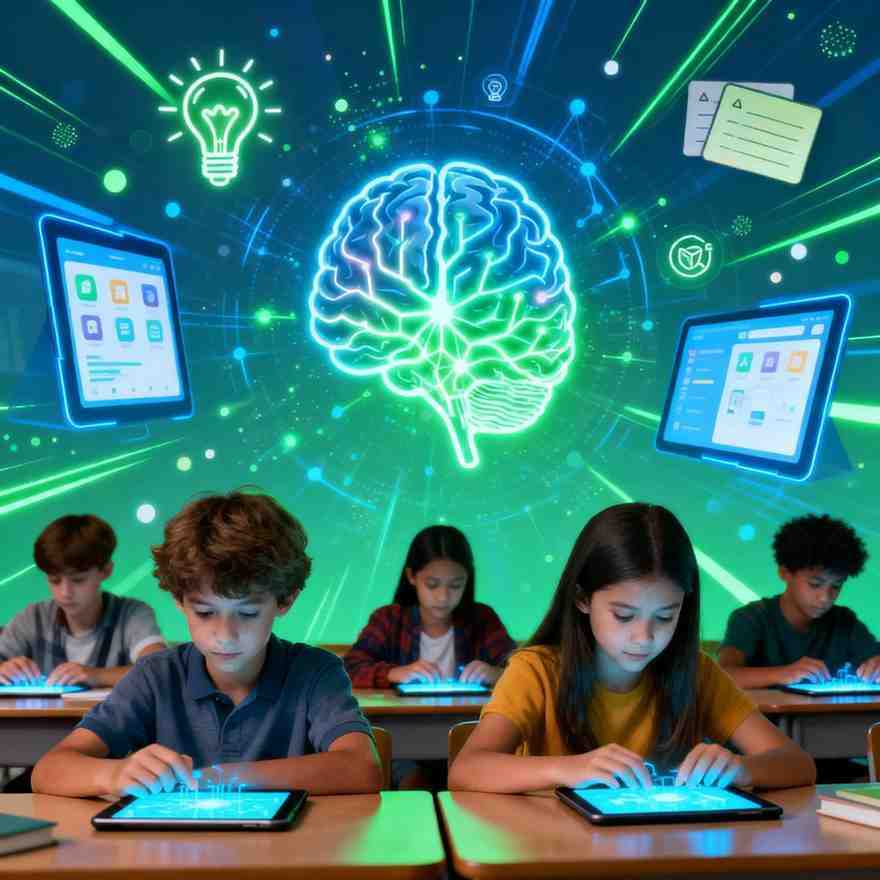
Discover how digital learning enhances memory and focus through cognitive learning strategies, AI personalisation, and multimedia engagement. As 2025 unfolds, understanding these benefits helps educators and learners maximise outcomes.
Cognitive Learning and Memory Enhancement
Cognitive learning involves active mental processes essential for memory formation. Digital platforms use AI-driven spaced repetition, retrieval practice, and multimodal content to stimulate working and long-term memory systems.
Multimedia and Multisensory Learning
Incorporating visuals, audio, and interactive elements helps encode memories better than text alone. Studies show digital learning with multimedia leads to retention rates up to 75%, surpassing traditional methods significantly.
Structured Content and Cognitive Load Management
Digital platforms design learning paths that respect working memory limits by chunking information, spacing sessions, and scaffolding difficulty to maintain sustained focus and avoid mental fatigue.
Impact of Virtual Reality (VR) and Augmented Reality (AR)
VR and AR create immersive experiences that deepen understanding and focus by engaging episodic memory and contextual learning, allowing learners to interact with complex concepts vividly.
Benefits for Diverse Learners
Personalised digital learning accommodates different paces and learning styles, empowering learners with attention challenges or memory impairments through tailored supports and adaptive interfaces.
Real-Time Data on Digital Learning Efficacy
Recent 2025 data indicate a 20% increase in retention rates and a 15% improvement in learner focus metrics when digital cognitive learning strategies are employed compared to traditional classrooms.
Future Trends
Advances in AI predictive analytics and neurofeedback could further personalise content delivery, optimising memory consolidation and dynamic focus adjustments in real time.
Conclusion
Digital learning, powered by cognitive science and AI innovations in 2025, offers unprecedented methods to improve memory and focus. As these tools evolve, education becomes more effective, inclusive, and engaging.
FAQs
Q: What is cognitive learning?
A: It is a learning process involving mental activities like memory encoding, retrieval, and problem-solving, enhanced through structured and personalised instruction.
Q: How does digital learning improve memory?
A: By using multimedia, adapting difficulty via AI, and employing spaced repetition that reinforces neural pathways related to long-term retention.
Q: Can digital learning help maintain focus?
A: Yes, AI-guided pacing and interactive content keep learners engaged, minimising distraction and cognitive overload.
Q: Are there drawbacks to digital cognitive learning?
A: Potential distractions and screen fatigue exist but can be mitigated with thoughtful design and self-regulation techniques.
FOLLOW US ON:
INSTAGRAM: https://www.instagram.com/quizly.app?igsh=cWdrcXRmMXRidWJ2
YOUTUBE: https://www.youtube.com/@Quizlytalks
LINKEDIN: https://www.linkedin.com/company/quizly-learning/