ICSE Board Innovations: What’s New for Students in 2025 and Beyond?
marketing team / Quizlyapp / Niroop Chand
The landscape of Indian education is constantly evolving, and in 2025, the ICSE Indian Certificate of Secondary Education Board stands at the forefront of change. Recent years have seen ICSE embracing modern techniques, digital tools, and a forward-thinking attitude that prioritises students’ holistic growth. If you’re a student, parent, or educator, here’s what to expect from ICSE innovations: refreshed and relevant for the next generation.
Digital Classrooms and E-Assessment
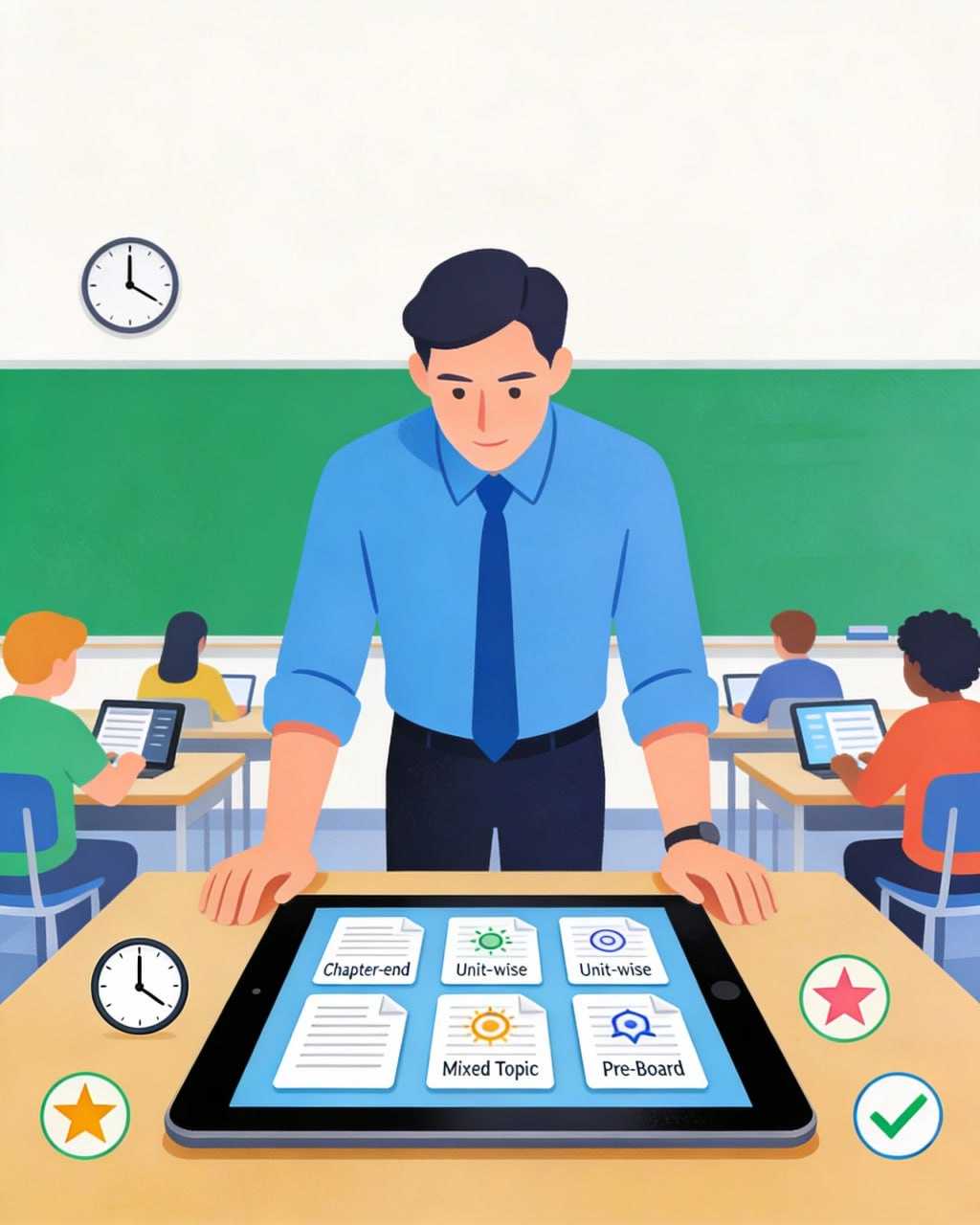
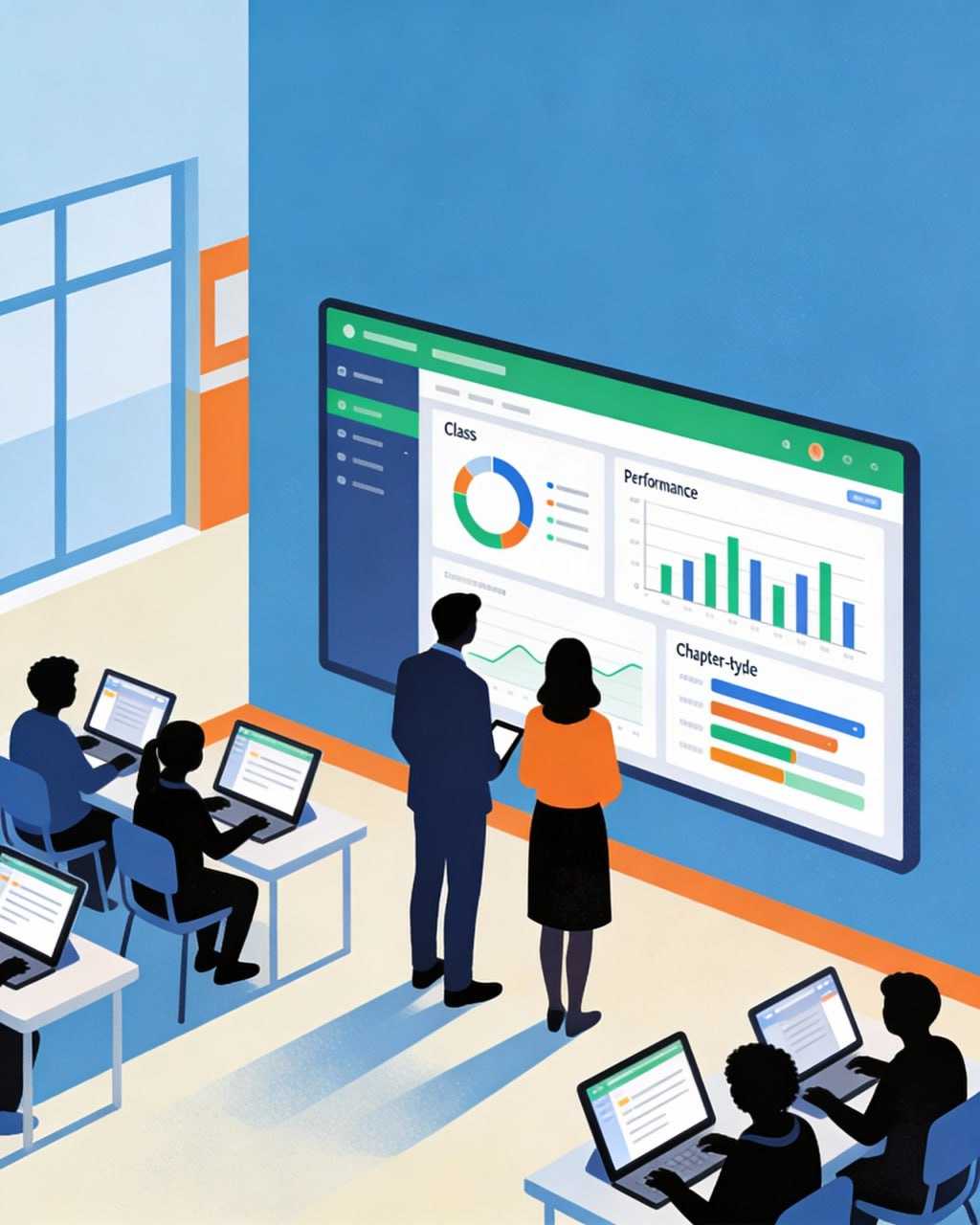
Gone are the days when chalk and talk ruled the classroom. The ICSE Board is boosting digital adoption by introducing virtual labs, online assignments, and interactive e-learning platforms. Assessments have also evolved, with the introduction of e-assessment tools providing instant feedback and analytics to help students track their progress in real time.
Focus on Interdisciplinary Learning
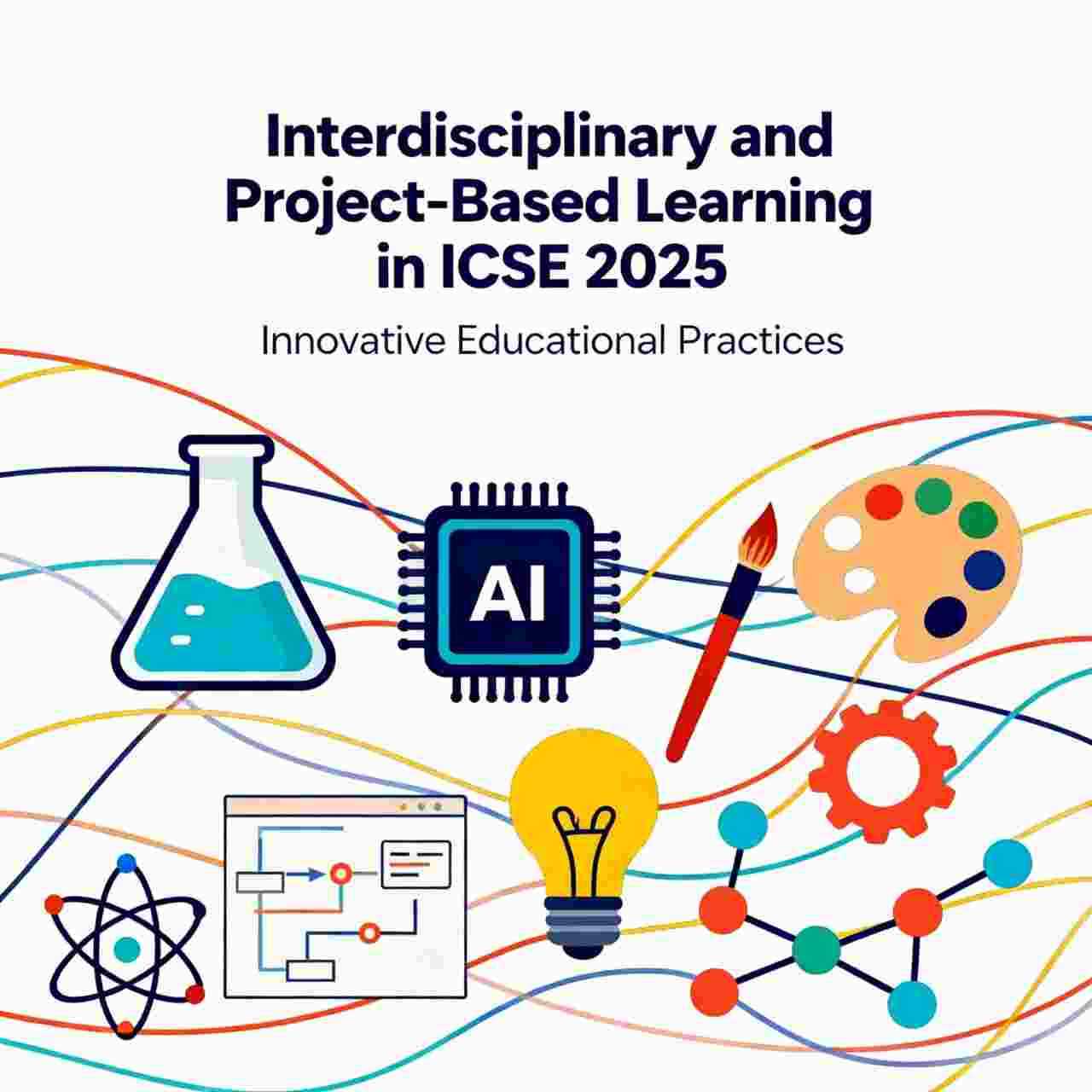
ICSE’s curriculum now encourages crossing traditional subject boundaries. Literature blends with history; mathematics meets art; science interacts with social studies. The spirit is to equip students with the ability to solve real-world problems by weaving together various streams of knowledge.
Project-Based & Experiential Learning
The Board is putting strong emphasis on applied learning. Students participate in projects that require research, critical thinking, and teamwork. Field visits, local community engagement, and online collaborations give students authentic experiences and a chance to understand concepts beyond the textbook.
AI and Coding Education
As India pushes AI in schools nationally, ICSE has introduced coding, artificial intelligence, and computational thinking modules for middle and secondary levels. These lessons aren't just about learning programming languages; they're about cultivating digital literacy and preparing learners for a technology-driven future.
Competency-Based Assessments
Moving away from rote memorisation, ICSE is piloting competency-based tests designed to measure understanding, application, and problem-solving. This means students get evaluated on how well they can use what they’ve learned, not just how much they can recall.
Student Well-Being Initiatives
Recognising exam stress and digital overload, the ICSE Board is integrating wellness programs, mindfulness sessions, and peer support networks into school schedules. This approach helps students stay balanced and builds resilience against academic pressure.
Global Collaborations
To make education truly world-class, ICSE schools are partnering with institutions abroad. Students now have opportunities for international exchanges, global project work, and exposure to diverse cultures from an early age.
Sustainable Learning
Sustainability is now a key theme running through the curriculum. Environment-based activities, eco-friendly practices, and lessons in civic responsibility are woven into subjects to encourage participation and awareness.
Conclusion
The ICSE Board’s innovations for 2025 are a bold step toward future-ready education in India. By embracing digital transformation, championing creative and critical thinking, and focusing on the holistic growth of students, ICSE is redefining what it means to learn and thrive in a globalised world. These changes ensure that students develop not just academic excellence, but also adaptability, curiosity, and a sense of social responsibility, traits essential for success in the rapidly changing landscape of tomorrow.
FAQs
Q1: What is the biggest change in ICSE academics for 2025?A: Major innovations include digital classrooms, competency-based assessments, greater focus on interdisciplinary learning, and new subjects like AI and coding.
Q2: Are these changes mandatory for all ICSE schools?A: Most innovations, such as digital transformation and well-being programs, are highly encouraged, while some curricular reforms are being phased in with flexibility for schools.
Q3: How will these innovations benefit students?A: Students will enjoy personalised learning, improved well-being, exposure to global ideas, and skills that prepare them for the future workforce.
Q4: Will ICSE exams be harder under the new system?A: Exams aim to test understanding and skills rather than rote memory, making them more application-focused and practical.
Q5: What if my school isn’t fully digital yet?A: Many reforms are supportive, with schools receiving guidance to gradually upgrade their infrastructure and teaching methods.
FOLLOW US ON:
INSTAGRAM: https://www.instagram.com/quizly.app?igsh=cWdrcXRmMXRidWJ2
YOUTUBE: https://www.youtube.com/@Quizlytalks
LINKEDIN: https://www.linkedin.com/company/quizly-learning/