India’s Bold Move: AI Becomes a School Subject from Class 3 in 2026 - Transforming Young Minds with Tools Like Quizly
marketing team / Quizlyapp / Niroop Chand
India’s education ministry is introducing Artificial Intelligence as a school subject from Class 3 in 2026. Learn how this policy, supported by AI-learning apps like Quizly, will revolutionise digital literacy and education in India.
In a landmark decision, the Indian Ministry of Education has announced that Artificial Intelligence (AI) will become a formal school subject starting from Class 3, effective April 2026. This reform is designed to prepare the next generation for a rapidly changing digital economy. The move marks a defining moment in India’s education landscape, introducing AI not as a niche topic but as a core component of early learning.
AI is no longer confined to tech giants or research labs; it’s becoming an everyday reality. From voice assistants to smart learning apps, students already interact with AI unknowingly. The government’s step ensures that children understand the “how” and “why” behind the technology they use on a daily basis.
Why the Move to Introduce AI from Class 3 Matters
Starting AI education at an early age helps children grasp fundamental concepts like pattern recognition, data interpretation, and ethical AI usage. These skills will become as crucial as reading or mathematics in the coming decade.
Bridging the Future Skill Gap with AI
According to India’s National Education Policy, one of the key goals is to make students future-ready. Introducing AI in early grades helps bridge the skill gap expected to emerge by 2030, when most jobs will require basic AI understanding or interaction.
Inside the 2026 AI Curriculum Framework
Proposed Learning Modules for Classes 3 to 8
The new AI curriculum aims to balance conceptual understanding with hands-on experimentation.
- Classes 3–5: Visual learning through stories, puzzles, and games explaining “what AI can do.”
- Classes 6–8: Basic coding, logic building, and introduction to real-life AI applications.
This structured approach ensures gradual exposure, transforming AI from a buzzword into an understandable, interactive subject.
The Role of Practical Learning and Gamified Tools
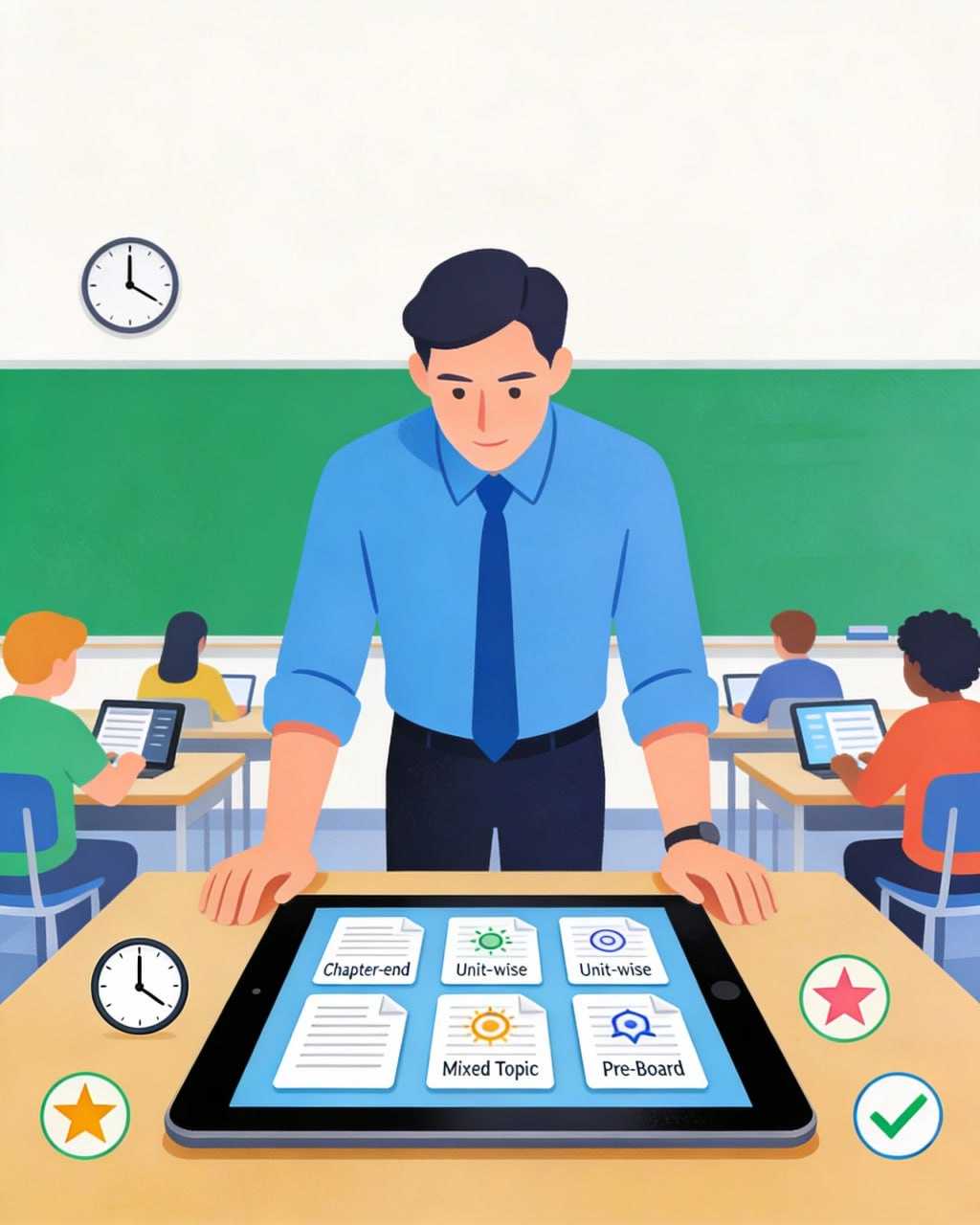
To make AI learning engaging, the education ministry emphasises the use of interactive, gamified apps and digital platforms. This is where the Quizly App plays a significant role.
Quizly App: Making AI Learning Fun and Accessible
What is the Quizly App and How It works
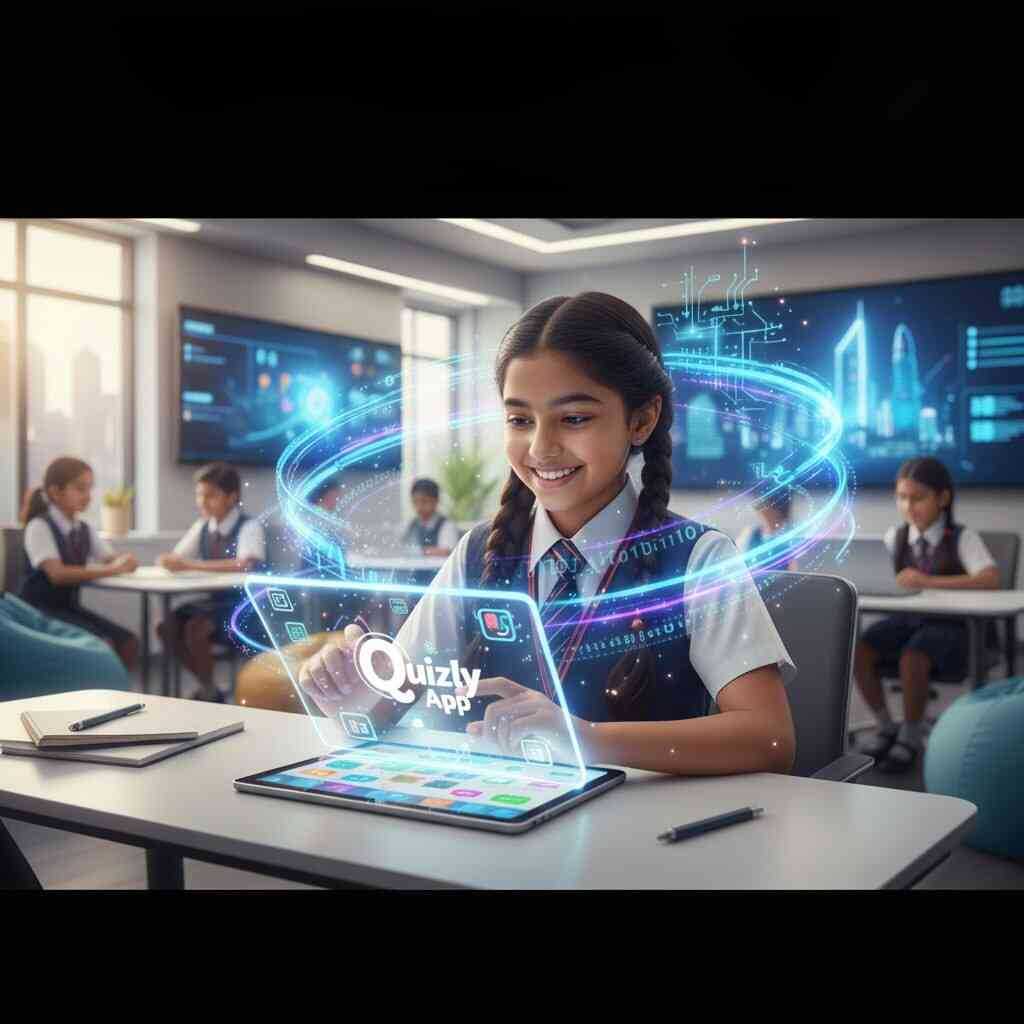
Quizly is an AI-powered educational app designed to make learning interactive through quizzes, simulations, and gamified challenges. The app uses adaptive algorithms to tailor difficulty levels based on a student’s performance. It covers a range of STEM topics, including AI fundamentals, logic, and coding, making it an ideal supplement to the new AI curriculum.
Through interactive quizzes, visual storytelling, and game-based modules, Quizly helps students learn complex concepts like machine learning, automation, and data patterns in a playful, low-stress environment.
How Quizly Aligns with the AI Curriculum Vision
The Quizly App mirrors the government’s vision for “learning by doing.”
- It integrates seamlessly with Class 3 to 8 AI curriculum goals, reinforcing lessons through experiential learning.
- Teachers can use Quizly dashboards to track student progress and assign topic-specific challenges.
- It also supports multi-language interfaces, ensuring inclusivity across India’s diverse classrooms.
By blending AI education and gamification, Quizly empowers both students and teachers to engage meaningfully with technology, which is transforming classrooms into future labs of innovation.
Upskilling Teachers for AI and Digital Education
While the idea of AI education from Class 3 is visionary, its success depends on teacher readiness. Training programs will be launched to upskill teachers in digital pedagogy, AI ethics, and interactive classroom tools like Quizly.
Addressing Resource Inequality in Rural Schools
Bridging the digital divide remains a major challenge. The ministry aims to provide low-cost tablets, AI-enabled labs, and offline learning modules to ensure that students from all regions benefit equally.
Empowering Students for Future Tech Careers
Early exposure to AI will nurture curiosity and problem-solving skills among students. It lays the foundation for careers in data science, robotics, and technology innovation fields expected to dominate the global job market by 2035.
Shaping a Generation of Problem Solvers and Innovators
With apps like Quizly supporting this ecosystem, students won’t just memorise definitions; they’ll build, experiment, and innovate. The focus is on creating AI thinkers, not just AI users.
Global Comparisons: How India Stacks Up
Countries like the UK, UAE, and Singapore have already integrated AI concepts into primary education. India’s 2026 initiative positions it among the global frontrunners, especially considering its scale of over 250 million K–12 students.
Conclusion: Building India’s AI-Ready Generation
India’s decision to introduce AI from Class 3 is more than an educational reform; it’s a national investment in innovation. With strong curriculum design, teacher training, and smart digital platforms like Quizly, the country is setting the stage for a generation fluent in the language of technology. By 2030, these students will not just adapt to AI, they’ll lead its evolution.
FAQs About AI in School Education 2026
1. When will AI be introduced as a school subject in India?
AI will officially be introduced as a subject from Class 3 in April 2026.
2. Why is AI being taught at such an early age?
The aim is to build digital literacy, critical thinking, and problem-solving skills from the foundation level.
3. Will teachers receive AI training?
Yes. Specialised teacher training modules will be introduced before 2026 to ensure smooth implementation.
4. How does the Quizly App support this initiative?
Quizly helps students practice AI concepts through quizzes, games, and adaptive learning, making the subject interactive and fun.
5. What are the challenges India may face in rolling this out?
Challenges include infrastructure gaps, teacher preparedness, and ensuring equal access across urban and rural schools.
6. Is AI education aligned with NEP 2020?
Absolutely. The initiative directly supports NEP 2020’s vision of promoting 21st-century skills, digital empowerment, and experiential learning.
FOLLOW US ON:
INSTAGRAM: https://www.instagram.com/quizly.app?igsh=cWdrcXRmMXRidWJ2
YOUTUBE: https://www.youtube.com/@Quizlytalks
LINKEDIN: https://www.linkedin.com/company/quizly-learning/