Is IGCSE, IB, or Traditional Indian Boards Best for Your Child in 2025?
marketing team / Quizlyapp / Gokul N
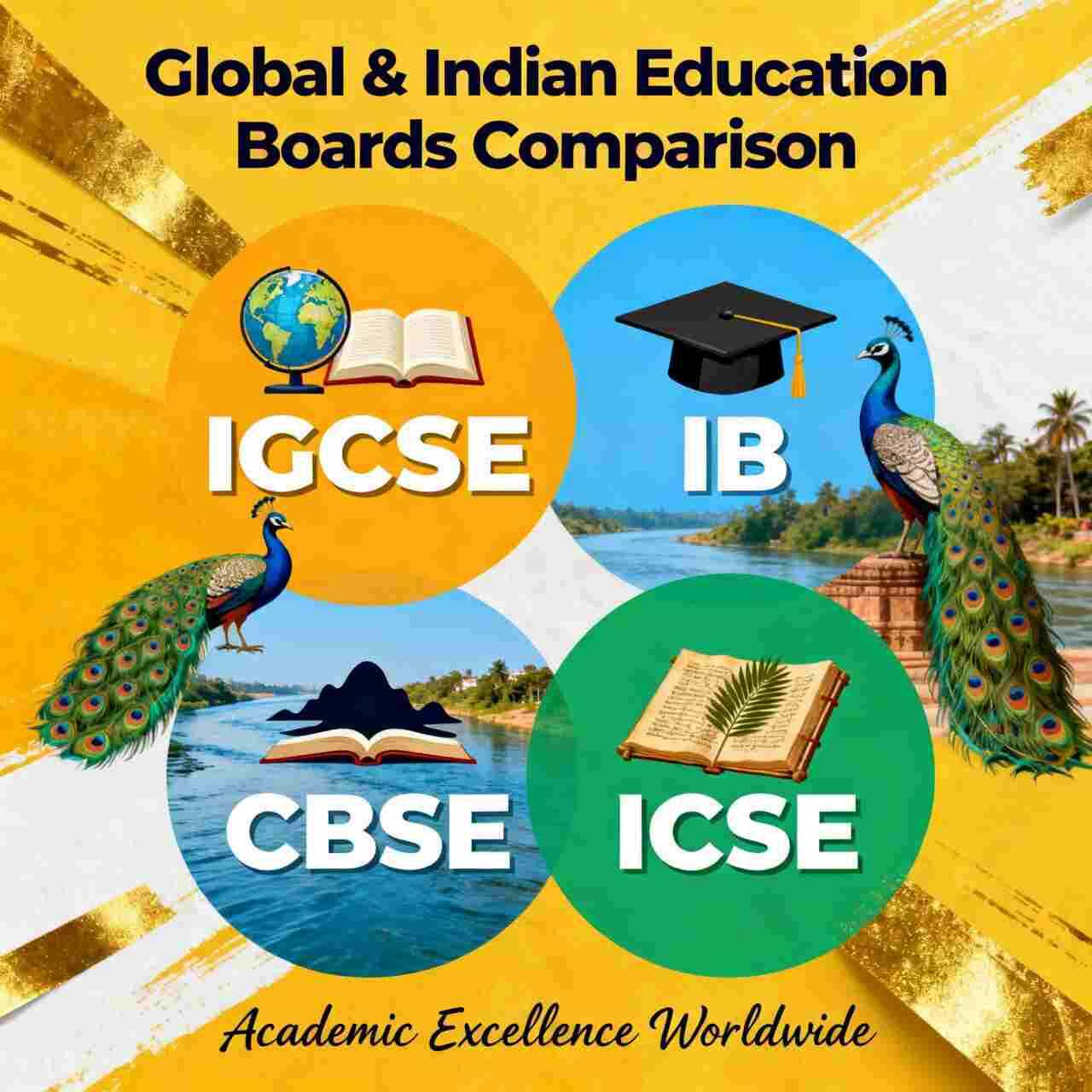
Choosing the right educational board is one of the most consequential decisions parents face in India today. With globalisation, rapid technological changes, and increasing cross-border opportunities, the choice between international boards like IGCSE and IB versus traditional Indian boards such as CBSE and ICSE has become more significant than ever. In 2025, this decision holds direct implications for your child’s academic growth, career readiness, and personal development.
Understanding the Boards: IGCSE, IB, and Indian Boards
The Indian Certificate of Secondary Education (ICSE) and Central Board of Secondary Education (CBSE) have long been staples of Indian education, each with its distinctive strengths. CBSE is known for its focus on foundational subjects and national competitive exams, while ICSE nurtures deep conceptual clarity with broad subject choices.
Academic Approach and Pedagogy
In 2025, Indian boards continue to emphasise rigorous theoretical foundations, regular assessments, and standardised content mapped to competitive exams like NEET and JEE. Their content-heavy curriculum can benefit students targeting engineering, medicine, or civil services. IGCSE and IB, on the other hand, cultivate analytical and research skills. IB’s Theory of Knowledge, Extended Essay, and CAS (Creativity, Activity, Service) components encourage learners to connect classroom learning with global issues and real-world contexts.
Skill Development and University Readiness
Parents increasingly value holistic development in skills beyond academics, such as communication, collaboration, and emotional intelligence. IB and IGCSE boards are structured to strengthen these competencies. The IB Diploma, especially, is recognized by top universities globally for fostering well-rounded, independent learners. Indian boards, while evolving, still put significant weight on subject proficiency and exam performance.
Recognition and Mobility
If your child plans to study or settle abroad, international boards offer seamless recognition in over 140 countries. Indian boards are best suited for higher education within India, capturing wide acceptance for national entrance exams and government posts.
Cost and Accessibility
Traditional Indian boards are more affordable and accessible, with schools across cities and smaller towns. International curricula can be significantly more expensive, and are typically available in major metrics, which may factor into the final choice for families.
Conclusion
There is no one-size-fits-all answer in 2025. If your child’s pathway lies in Indian higher education or competitive exams, traditional CBSE and ICSE boards ensure alignment with national standards. If your goal is global citizenship, international university admissions, or holistic development, IGCSE and IB offer international exposure and skill diversity.
Frequently Asked Questions (FAQs)
Q2: Does IGCSE/IB guarantee global university admissions?A: These boards are recognized worldwide, and students often have an edge, but admissions depend on individual performance, profile, and regional criteria.
Q3: Can I switch boards after Class 10?A: Yes, transitions are possible, especially from IGCSE to IB, or ICSE to CBSE, but early planning is recommended for a smooth shift.
Q4: Are international boards more expensive?A: Generally yes, due to curriculum fees, faculty training, and infrastructure demands.
Q5: Which board is best for competitive exams in India?A: CBSE is considered best as its syllabus closely matches major competitive entrance test content.
FOLLOW US ON:
INSTAGRAM: https://www.instagram.com/quizly.app?igsh=cWdrcXRmMXRidWJ2
YOUTUBE: https://www.youtube.com/@Quizlytalks
LINKEDIN: https://www.linkedin.com/company/quizly-learning/