Metals and Non-Metals – Explained
Uploading for last time revision practise for students.
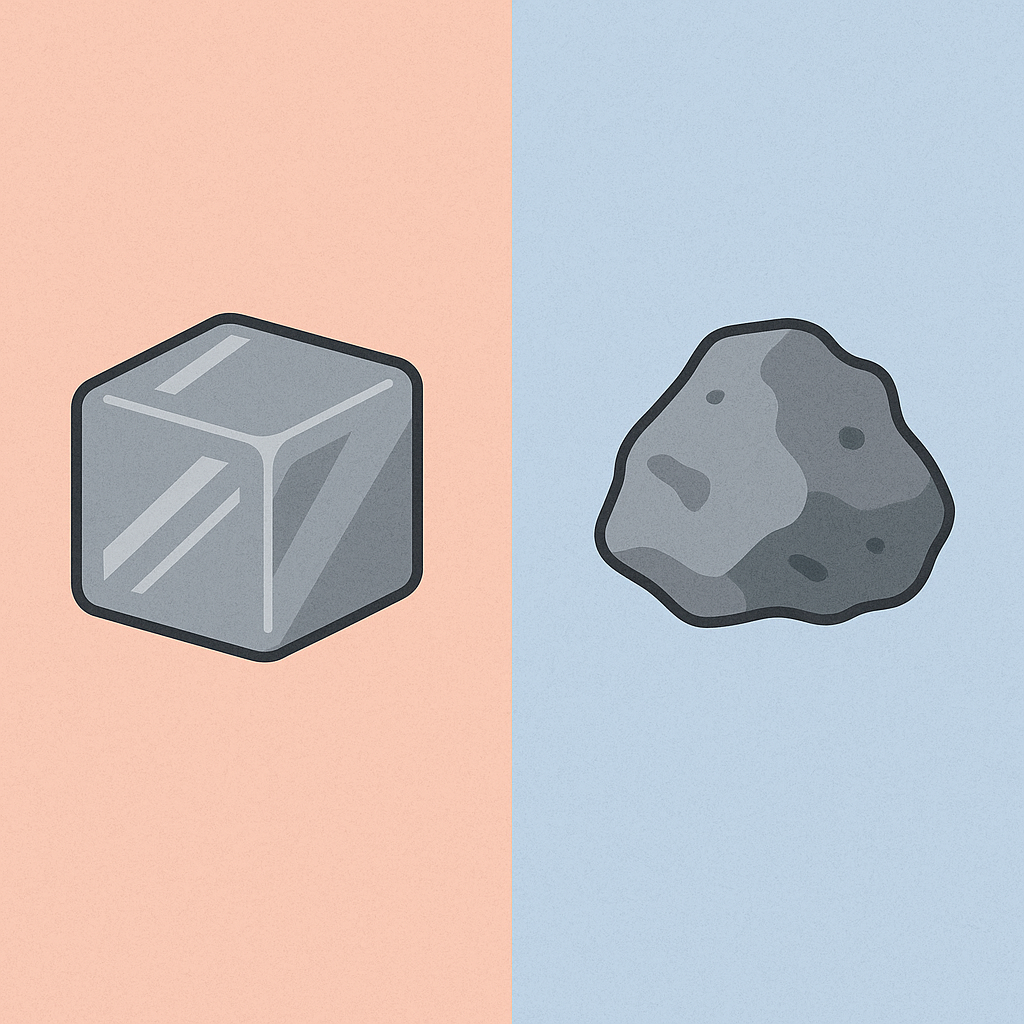
Understanding metals and non-metals is a key part of science. These two groups of elements play vital roles in our lives—from the things we use every day to the air we breathe. Let’s explore what makes metals and non-metals different, their key properties, and some common examples.
What Are Metals?
Metals are elements found mostly on the left side and center of the periodic table. They are well known for being strong, shiny, and useful in a huge variety of ways.
Key Points About Metals:
-
Shiny Appearance: Metals usually have a lustrous, reflective surface.
-
Good Conductors: They conduct heat and electricity well, making them perfect for cooking utensils and electrical wires.
-
Malleable: Metals can be hammered or rolled into thin sheets without breaking.
-
Ductile: They can be drawn out into thin wires.
-
Mostly Solid: Most metals are solid at room temperature, except for mercury which is a liquid.
-
High Density and Strength: Metals are often dense and strong, ideal for building and machinery.
Everyday Examples:
-
Iron: Used in construction and to make steel.
-
Copper: Used in electrical wires and coins.
-
Aluminum: Used in cans, airplanes, and kitchen foil.
-
Gold and Silver: Used in jewelry and electronics.
What Are Non-Metals?
Non-metals are elements that have very different properties from metals. They are found on the right side of the periodic table.
Key Points About Non-Metals:
-
Dull Appearance: Non-metals do not shine like metals; they usually look dull.
-
Poor Conductors: Most non-metals do not conduct heat or electricity (except for graphite).
-
Brittle: Non-metals can break or crumble easily when solid.
-
Not Malleable or Ductile: They cannot be shaped into sheets or wires.
-
Different States: Non-metals can be solids, liquids, or gases at room temperature.
-
Low Density and Strength: Non-metals tend to be lighter and weaker than metals.
Everyday Examples:
-
Oxygen: The gas we breathe.
-
Carbon: Found in coal, pencil lead (graphite), and diamonds.
-
Sulfur: Used in matches and fireworks.
-
Chlorine: Used in disinfectants and water purification.
Metals vs Non-Metals: The Differences
Here’s a simple table to help you remember the key differences between metals and non-metals:
| Feature | Metals | Non-Metals |
|---|---|---|
| Appearance | Shiny (lustrous) | Dull |
| Conductivity | Good (heat and electricity) | Poor |
| Malleability | Malleable | Not malleable |
| Ductility | Ductile | Not ductile |
| State at Room Temp | Mostly solid | Solid, liquid, or gas |
| Density & Strength | High | Low |
| Examples | Iron, Copper, Gold, Aluminum | Oxygen, Carbon, Sulfur |
Why Does It Matter?
Learning about metals and non-metals helps us understand the materials around us and how they are used. Whether you’re studying science for school or just curious about the world, knowing these differences explains why some things conduct electricity, why some things bend and others break, and why our daily life depends on both groups.
Want to Learn More?
For an easy, visual explanation, check out our video lesson on metals and non-metals:
👉click on here - Watch on YouTube
After watching, test yourself with an interactive quiz at Quizly.app! It’s a fun way to reinforce what you’ve learned and challenge your friends.