Adaptive EdTech for NEET in Tier2 and Rural India
Marketing Team / Quizlyapp / Swathi Suresh
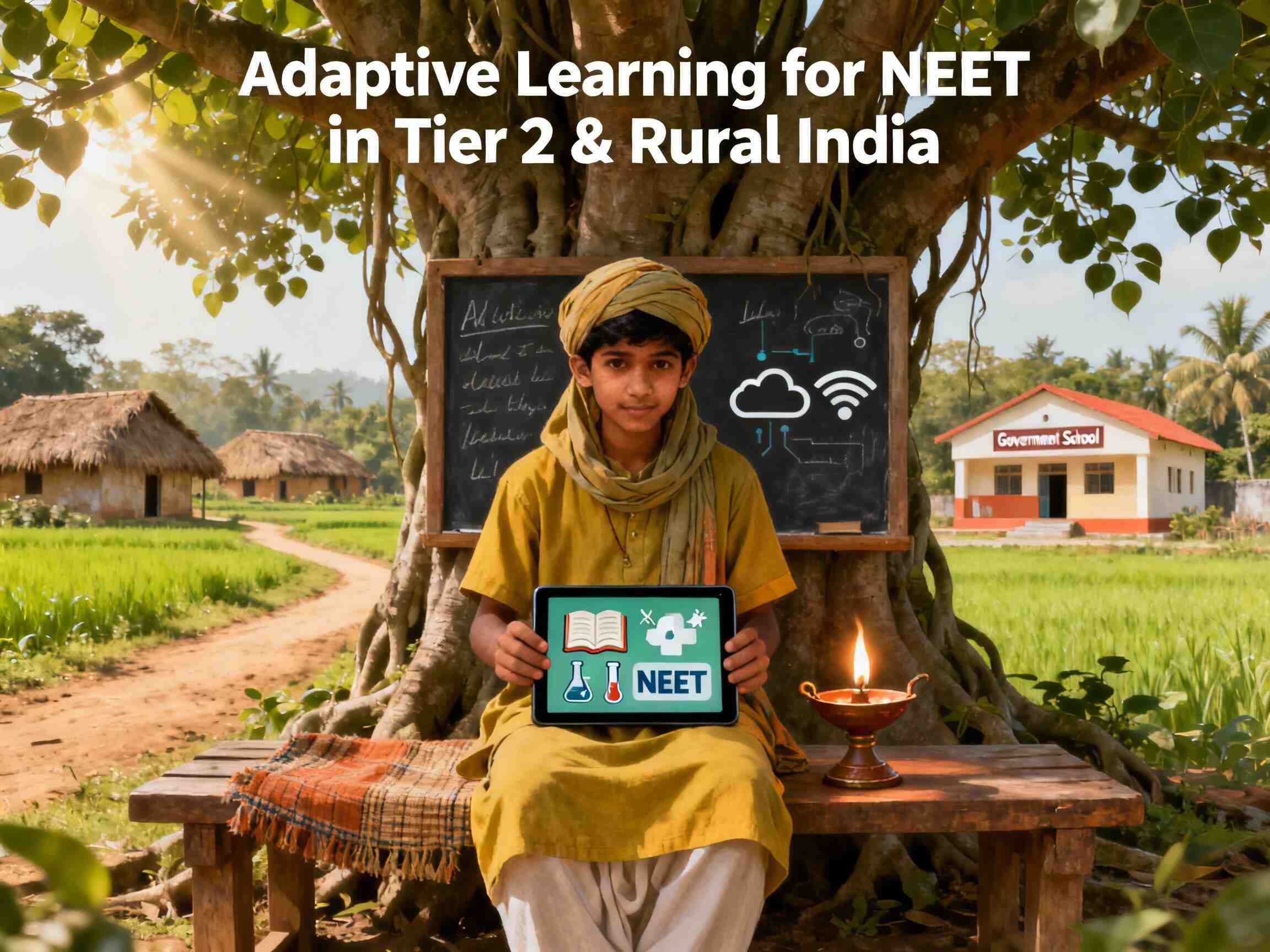
A quiet revolution is underway in NEET preparation outside the big metros, driven by mobile-first edtech platforms and cheaper data. Aspirants from tier 2 cities and rural districts are now using adaptive quiz apps to access structured practice that previously required expensive coaching classes.
These platforms adjust difficulty in real time based on each learner’s performance, giving easier questions when a concept is weak and tougher ones when mastery improves. For students who cannot attend large urban coaching centres, this feels like having a personal tutor who constantly reads their progress and redesigns questions.
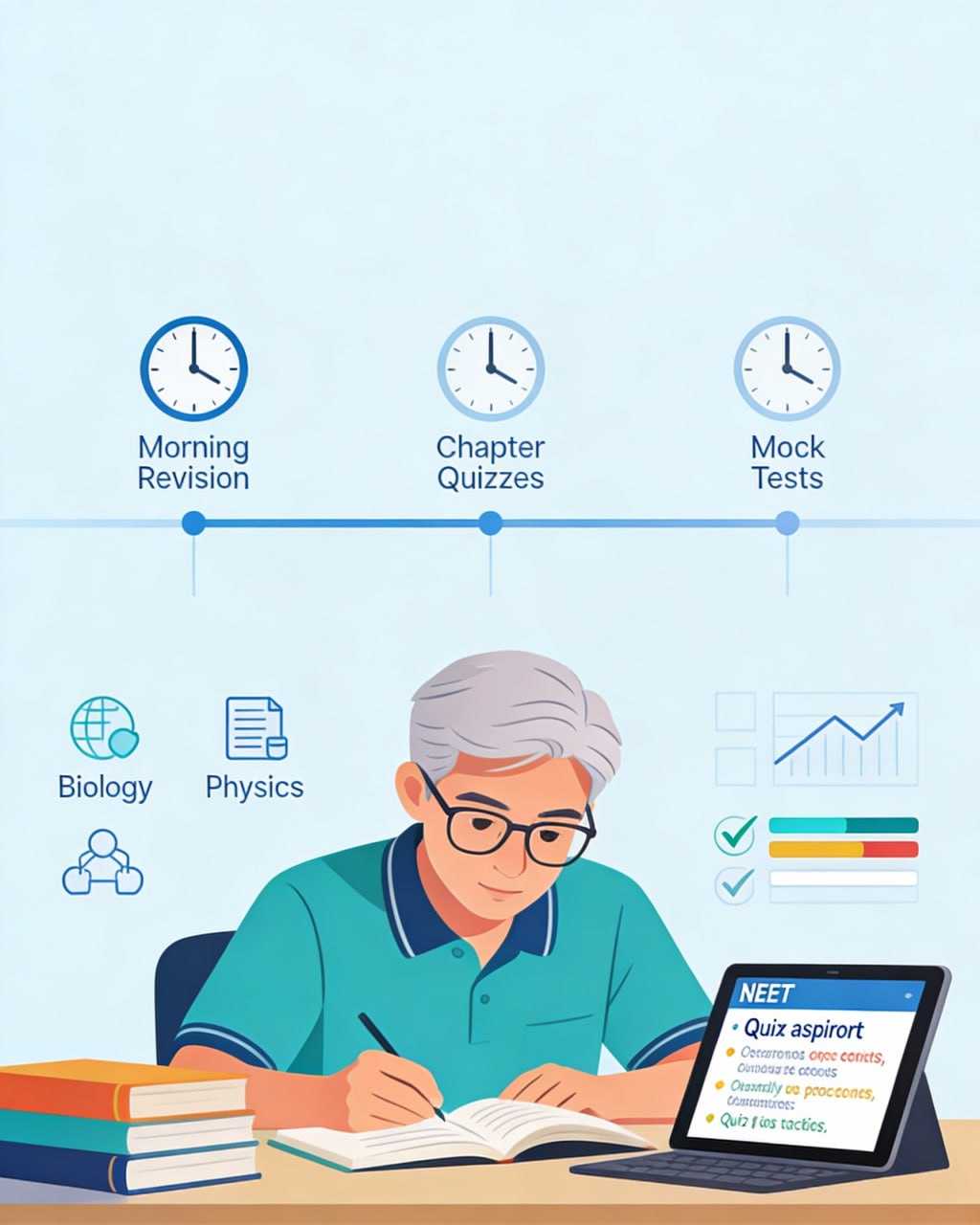
The data collected over hundreds of quiz attempts produces clear performance dashboards, highlighting which chapters, subtopics, or question types need priority attention. This removes guesswork from preparation and helps students plan daily targets even if they study alone at home.
Edtech platforms also help bridge language and accessibility gaps by offering content in multiple regional languages and optimised interfaces for low-end smartphones. Combined with local mentorship or school support, this can narrow the longstanding gap between urban and rural success rates in medical entrance tests.
The most successful students use these tools regularly, in short bursts, and treat analytics seriously rather than just chasing raw scores. By combining adaptive quizzes with NCERT reading and occasional teacher guidance, rural aspirants can build exam-ready confidence without migrating or overspending on physical coaching.
Conclusion
Adaptive edtech is democratising NEET preparation by giving tier 2 and rural students personalised, data-driven practice, once available only in elite coaching hubs. Students who leverage these tools smartly can turn geographic disadvantage into a story of digital empowerment.
FAQs
1. Can adaptive quiz apps replace coaching institutes completely?
For some students with strong self-discipline, adaptive platforms plus textbooks and school support may be enough, while others may still benefit from structured offline guidance.
2. Are these apps useful if internet connectivity is unstable?
Many platforms cache some content or quizzes offline, but stable connectivity certainly improves the experience and allows for more detailed analytics.
3. How often should a rural NEET aspirant use such apps?
Short, daily sessions—10–30 minutes of focused quizzes—tend to be more effective than long, irregular study bursts.
4. Do adaptive platforms support regional languages?
Several Indian edtech tools now offer multilingual support for exam preparation, making them more inclusive for vernacular medium students.
5 . How can parents in small towns support this approach?
They can ensure a calm study space, monitor screen time quality instead of just duration, and encourage consistent quiz practice rather than last-minute cramming.
FOLLOW US ON:
INSTAGRAM:https://www.instagram.com/quizly.app?igsh=cWdrcXRmMXRidWJ2
YOUTUBE:https://www.youtube.com/@Quizlytalks
LINKEDIN: https://www.linkedin.com/company/quizly-learning/